
Salon Standards · 8 min read
How to Tell If a Nail Salon Is Actually Clean: A 12-Point Checklist
Every salon says it sterilises. Here is what to look for so you can judge for yourself — at any salon, including ours.
Published · By the team at L.A Nails
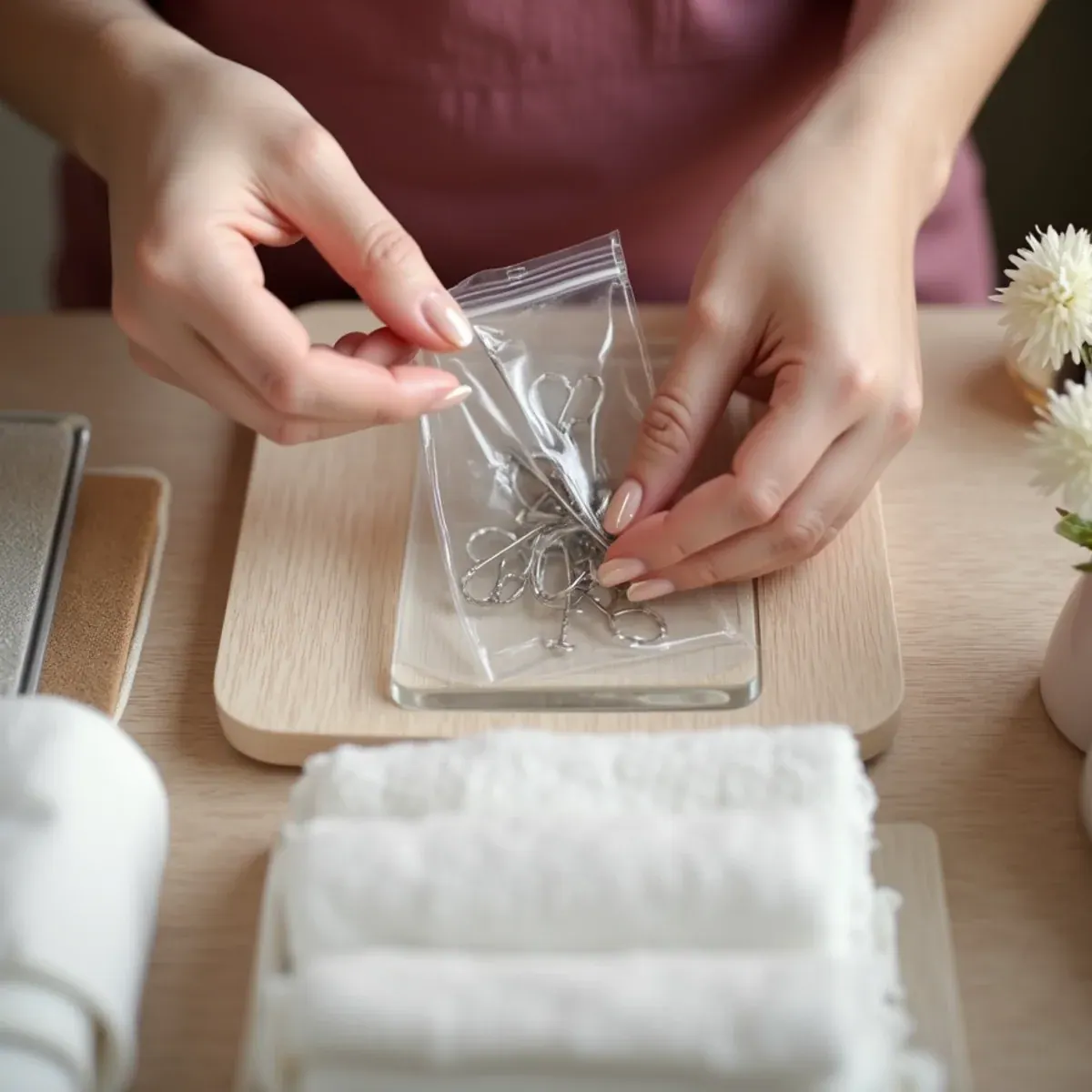
Judge a nail salon by five things you can see: single-use files and buffers opened in front of you, metal tools coming out of sealed sterilisation pouches, pedicure basins being physically scrubbed rather than rinsed between clients, technicians washing hands between clients, and dip powder poured into a tray rather than a shared jar. A current state licence should be displayed where you can read it.
Why "we sterilise everything" tells you nothing
Every salon website in Manatee County says something about sterilisation. The word is doing no work. Sterilisation is a specific process applied to specific tools, and the interesting question is not whether a salon claims it but what they actually do with the items that touch you.
The good news is that all of it is observable. You do not need to take anyone at their word, and you can assess a salon in the first five minutes of sitting down. The list below is what to watch for.
The 12-point checklist
Work through these on your next visit anywhere. A salon meeting nine or ten is doing well; one failing on the first four is worth leaving.
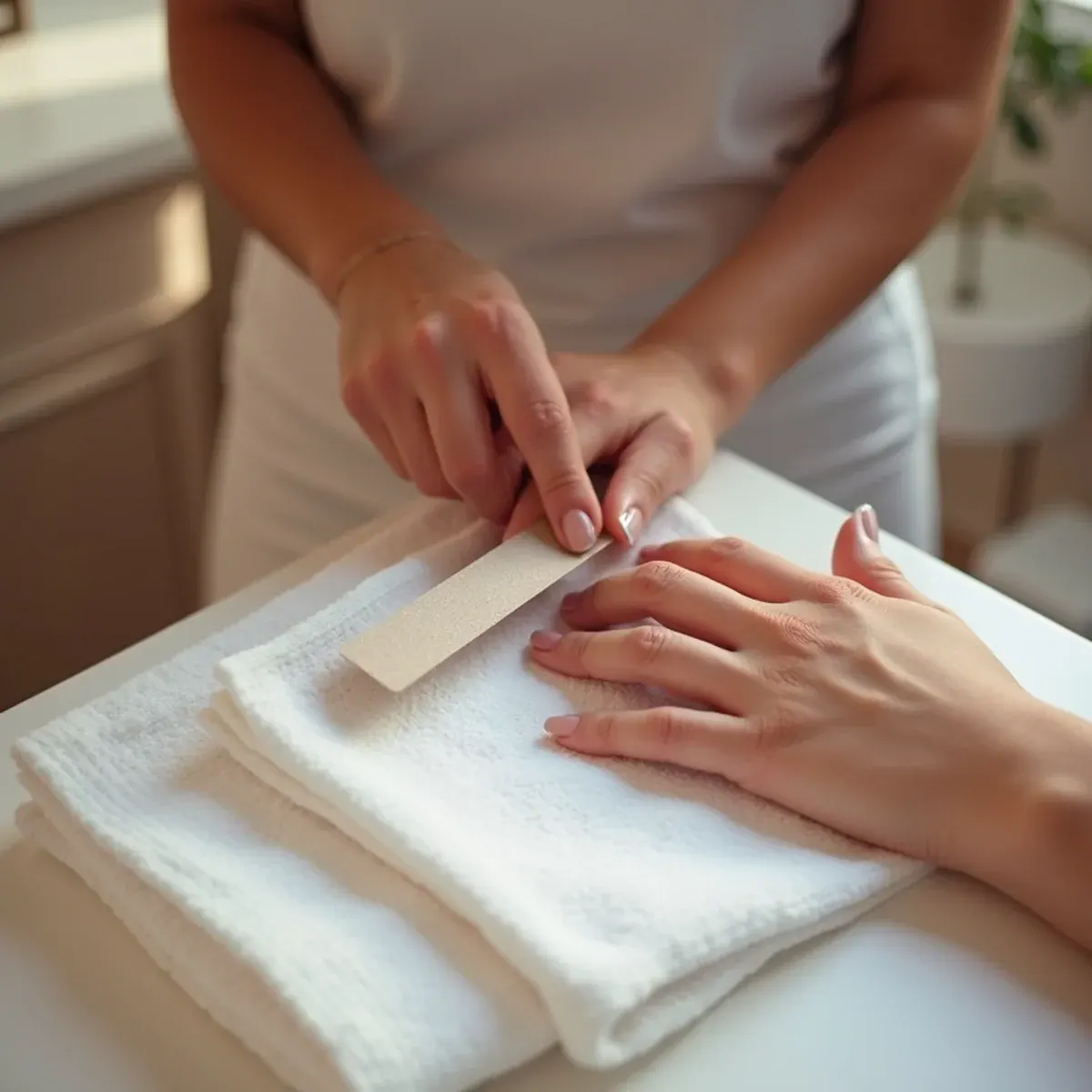
1. Files and buffers are single-use
Porous items — emery boards, buffers, pumice, toe separators — cannot be disinfected. They should be new for you and thrown away afterwards, ideally opened in front of you. A file pulled from a drawer with someone else’s dust on it is the clearest fail there is.
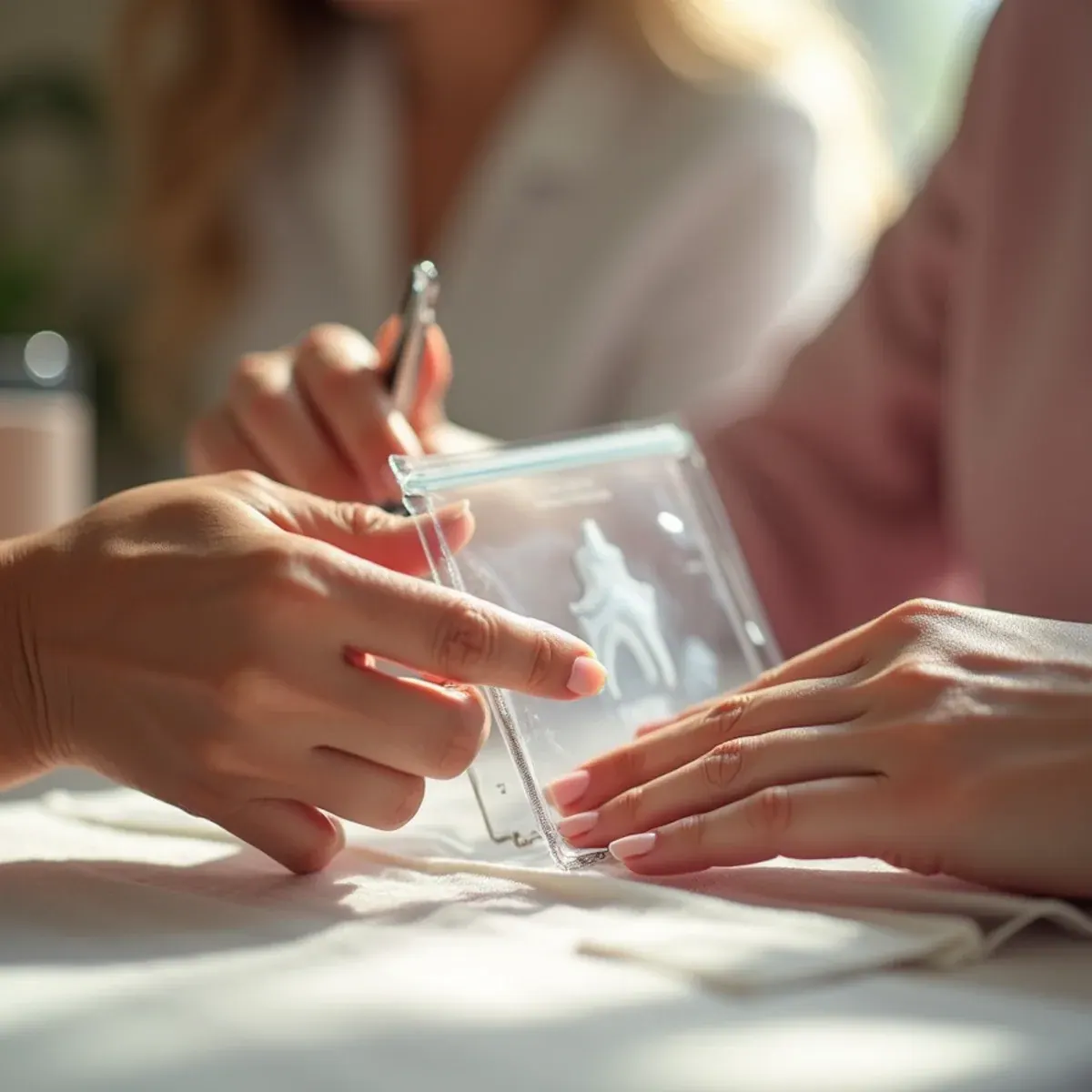
2. Metal tools come from a sealed pouch
Nippers, pushers and clippers should arrive in a sealed sterilisation pouch opened at your station, or come from a visibly clean covered container. Tools sitting loose in a jar of blue liquid have not been sterilised — that liquid is a disinfectant and it needs a full immersion time to do anything.
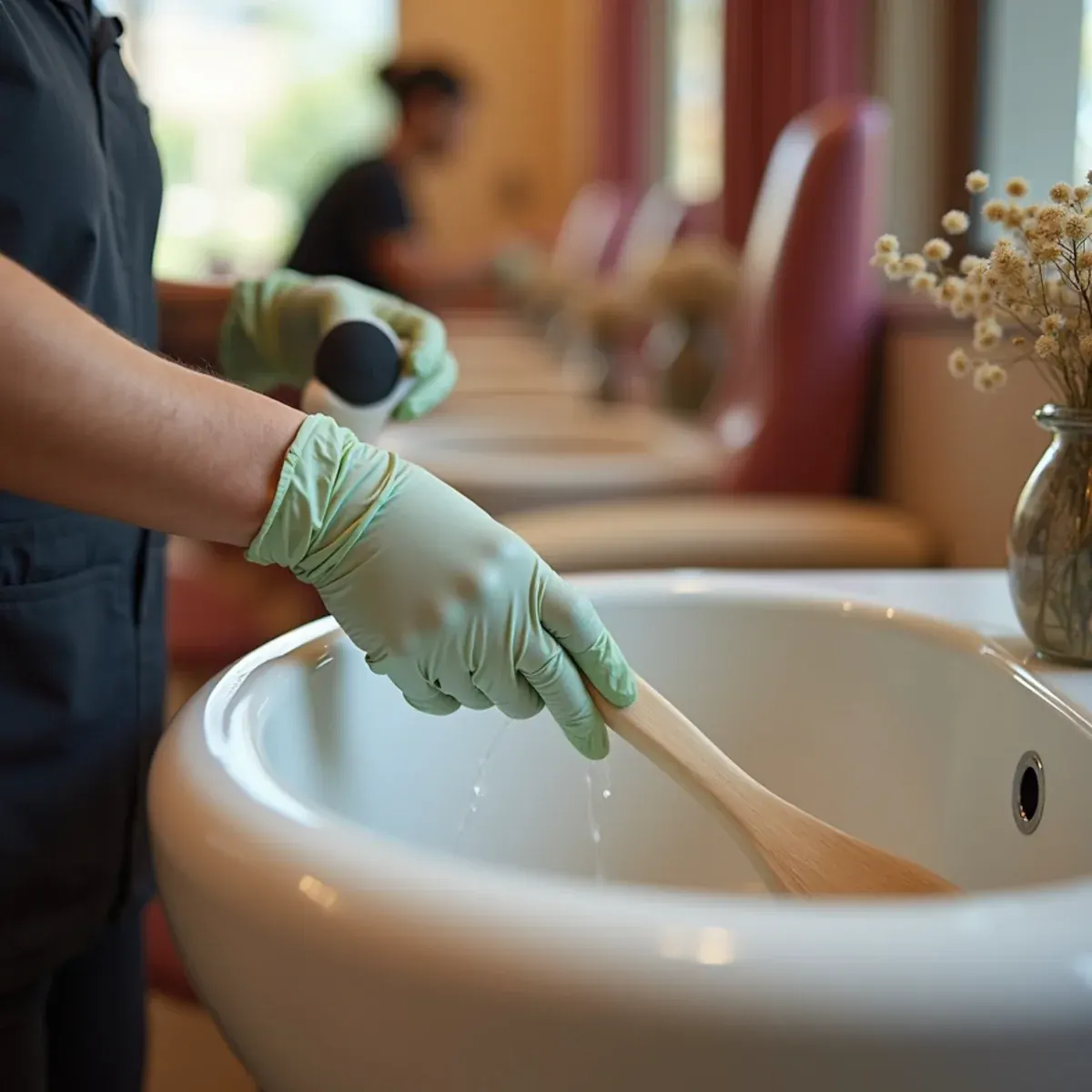
3. Pedicure basins are scrubbed, not rinsed
Between clients a basin should be drained, physically scrubbed with detergent, and disinfected. A quick rinse and refill is not sufficient. Pipe-free or jet-free basins are easier to clean thoroughly than older whirlpool units with internal plumbing.
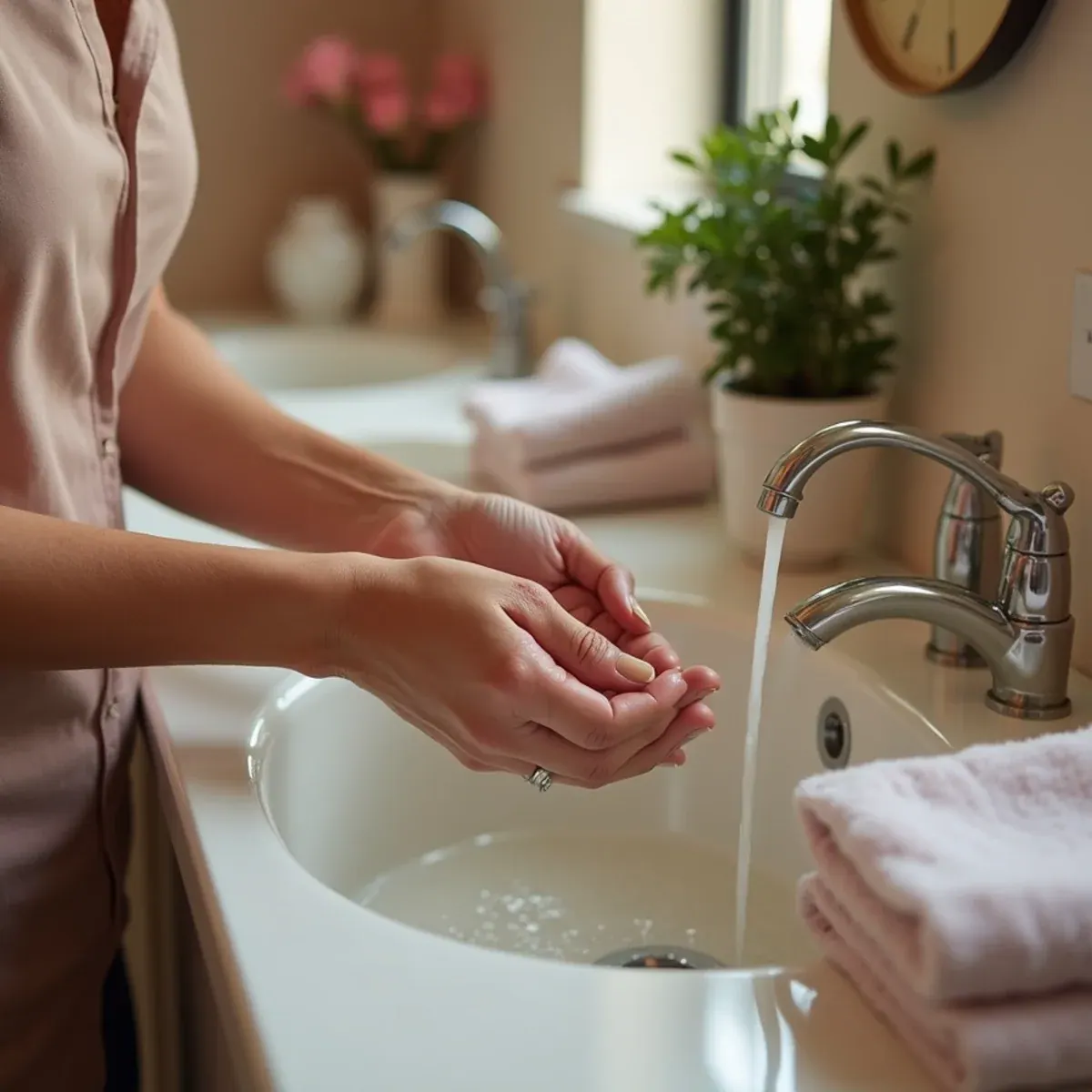
4. Technicians wash their hands between clients
Not sanitiser — soap and water at a sink, visibly, between one client and the next. It is basic and it is the easiest thing to check.
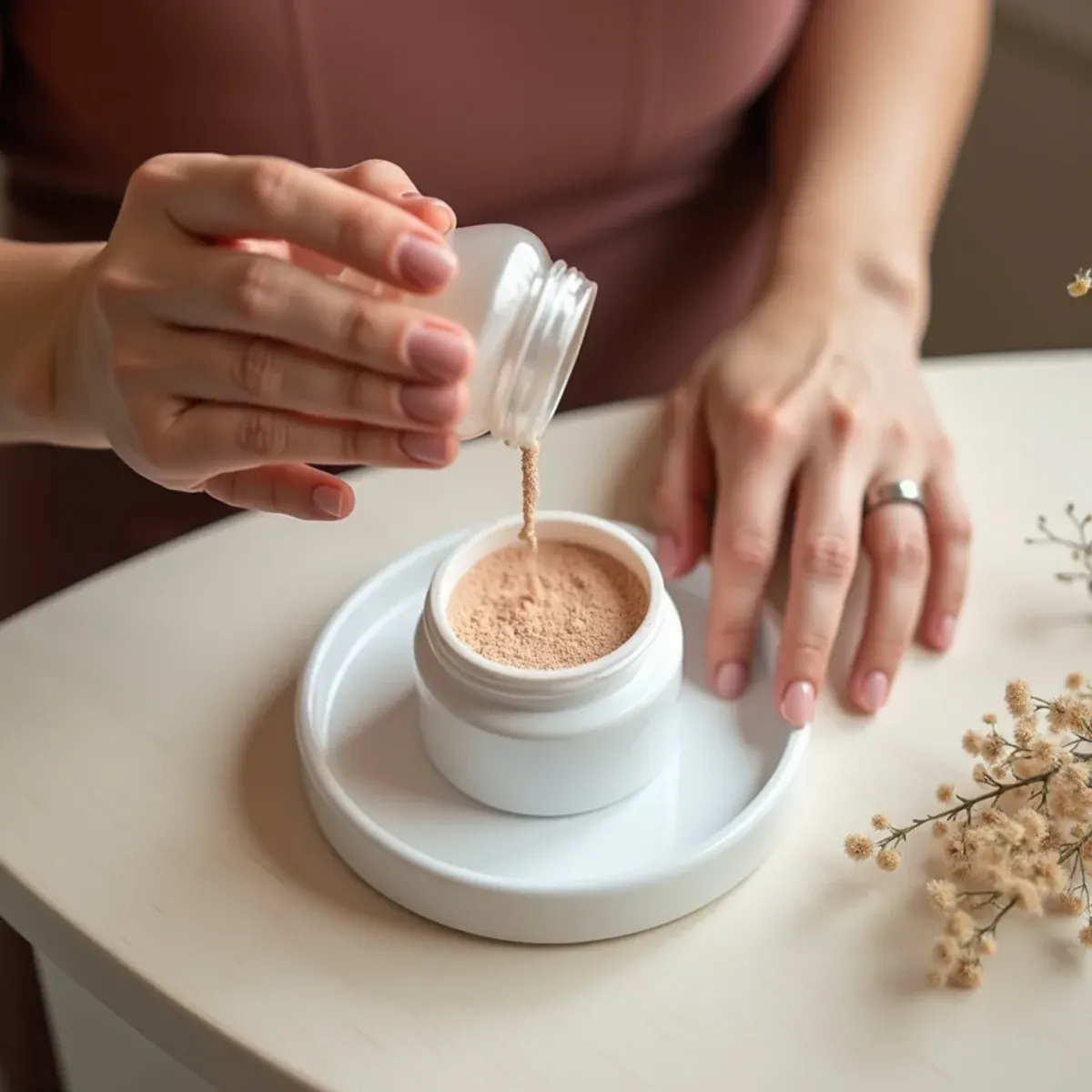
5. Dip powder is poured, never shared
Your fingers should never go into a communal jar of dip powder. The powder should be poured into a clean tray for you or sprinkled on. This is the single most common hygiene failure in dip services.
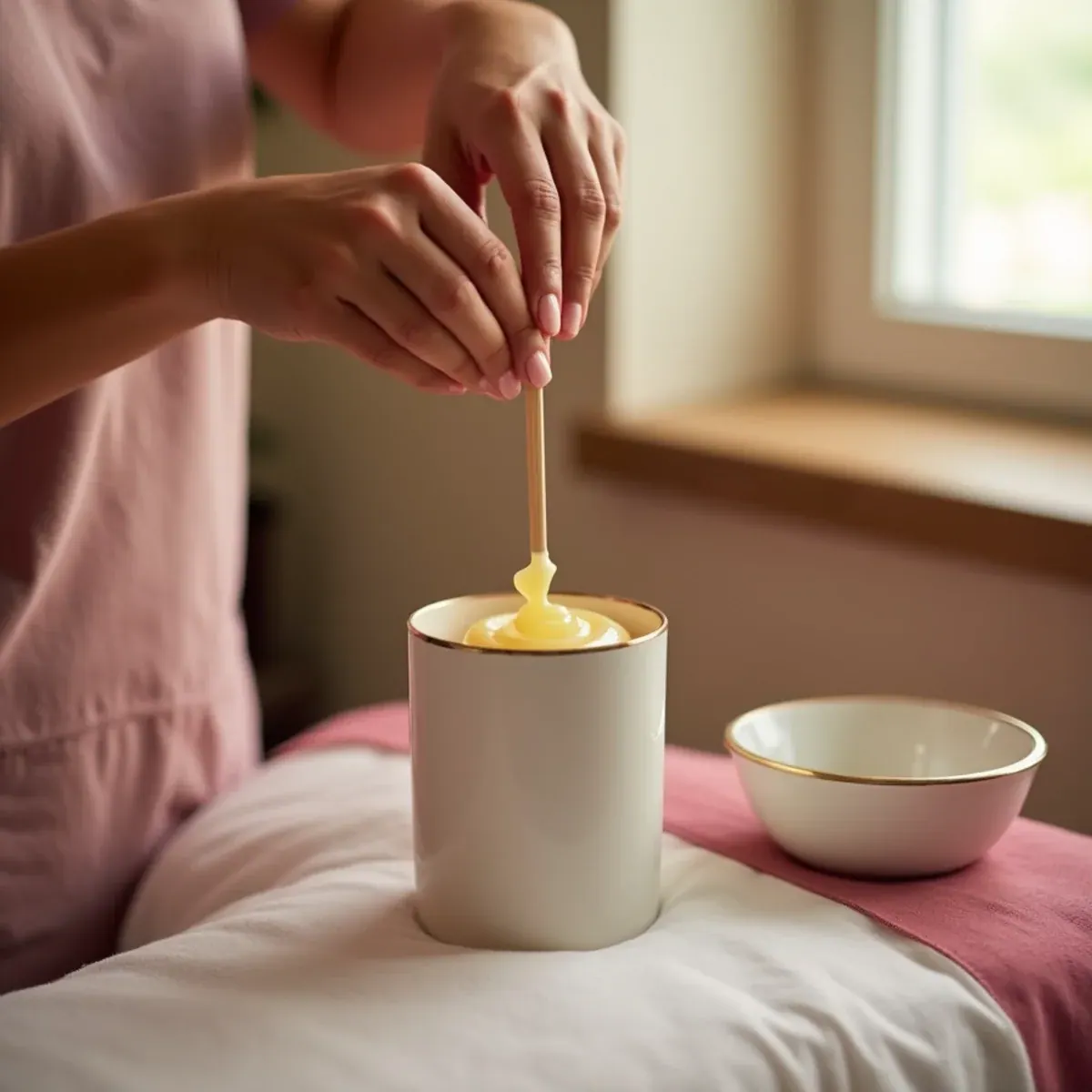
6. Wax applicators are not double-dipped
Once a stick has touched skin it does not go back in the pot. Watch the first application on any waxing service — this one is immediately visible and it is not a grey area.
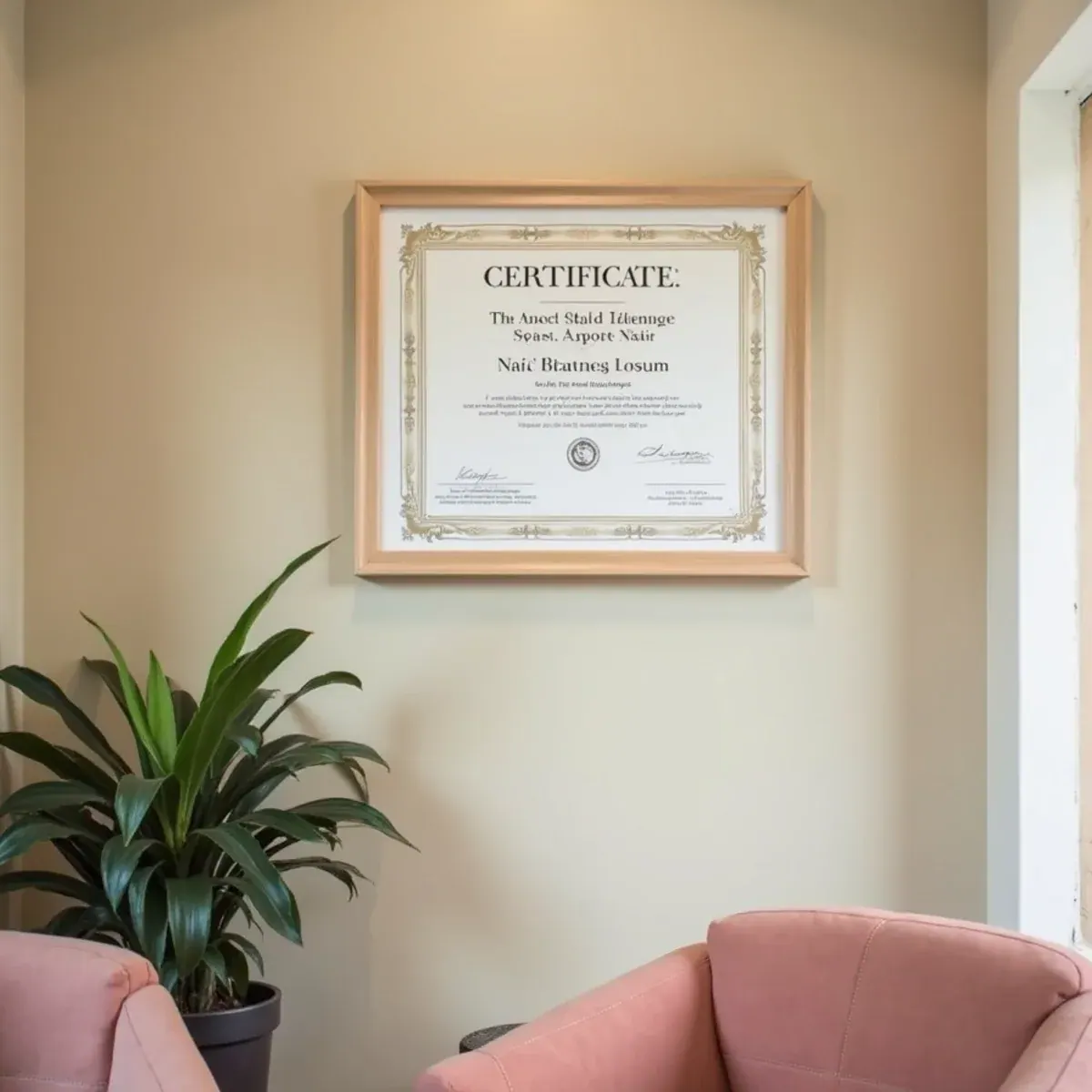
7. The current licence is displayed
Florida salons and technicians are licensed by the state. The salon licence should be displayed where clients can read it, and it should be current. Technicians should be individually licensed too.
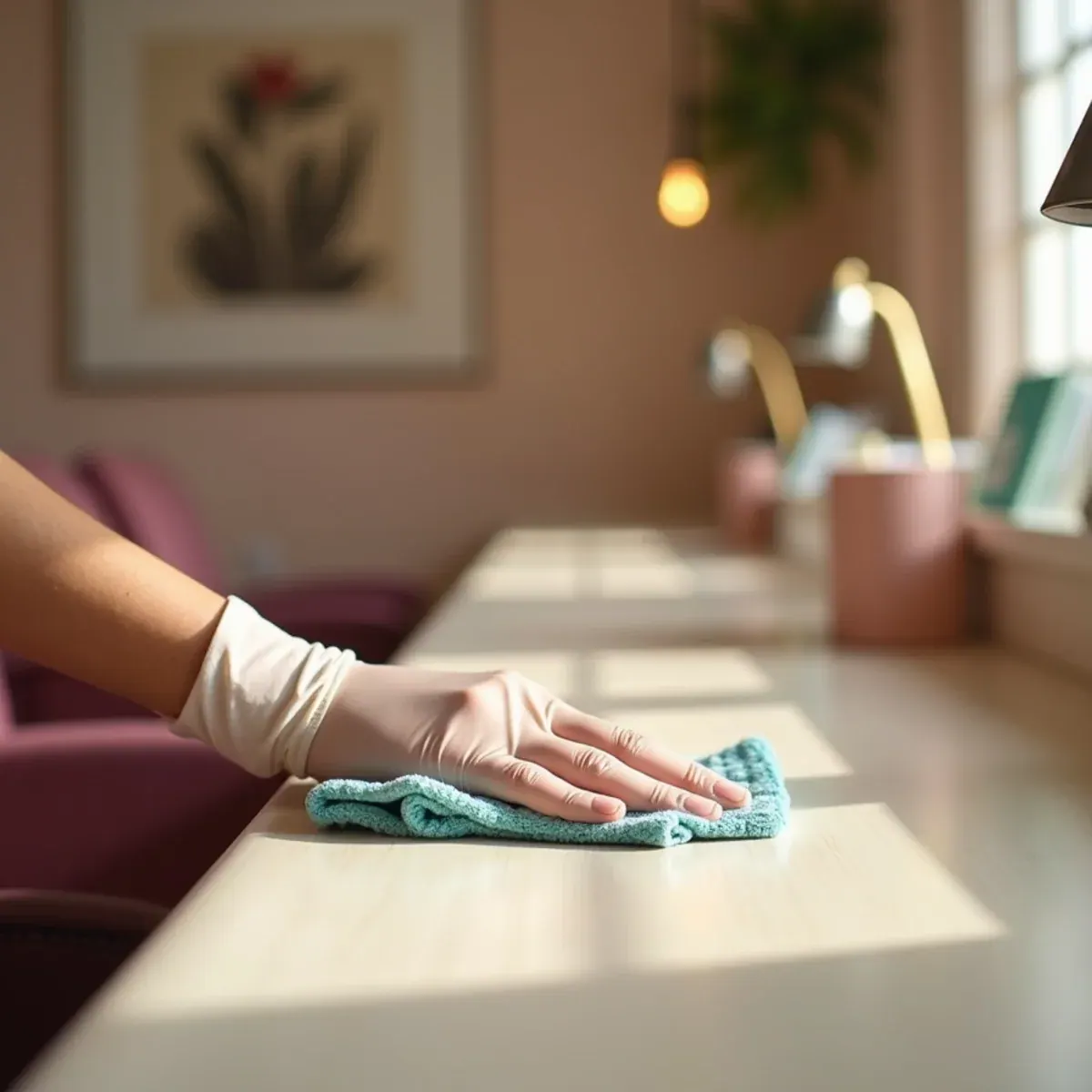
8. Surfaces are wiped between clients
The table, the arm rest, the lamp and the chair should be wiped down between clients, not just at the end of the day. Watch the changeover — you will see it or you will not.
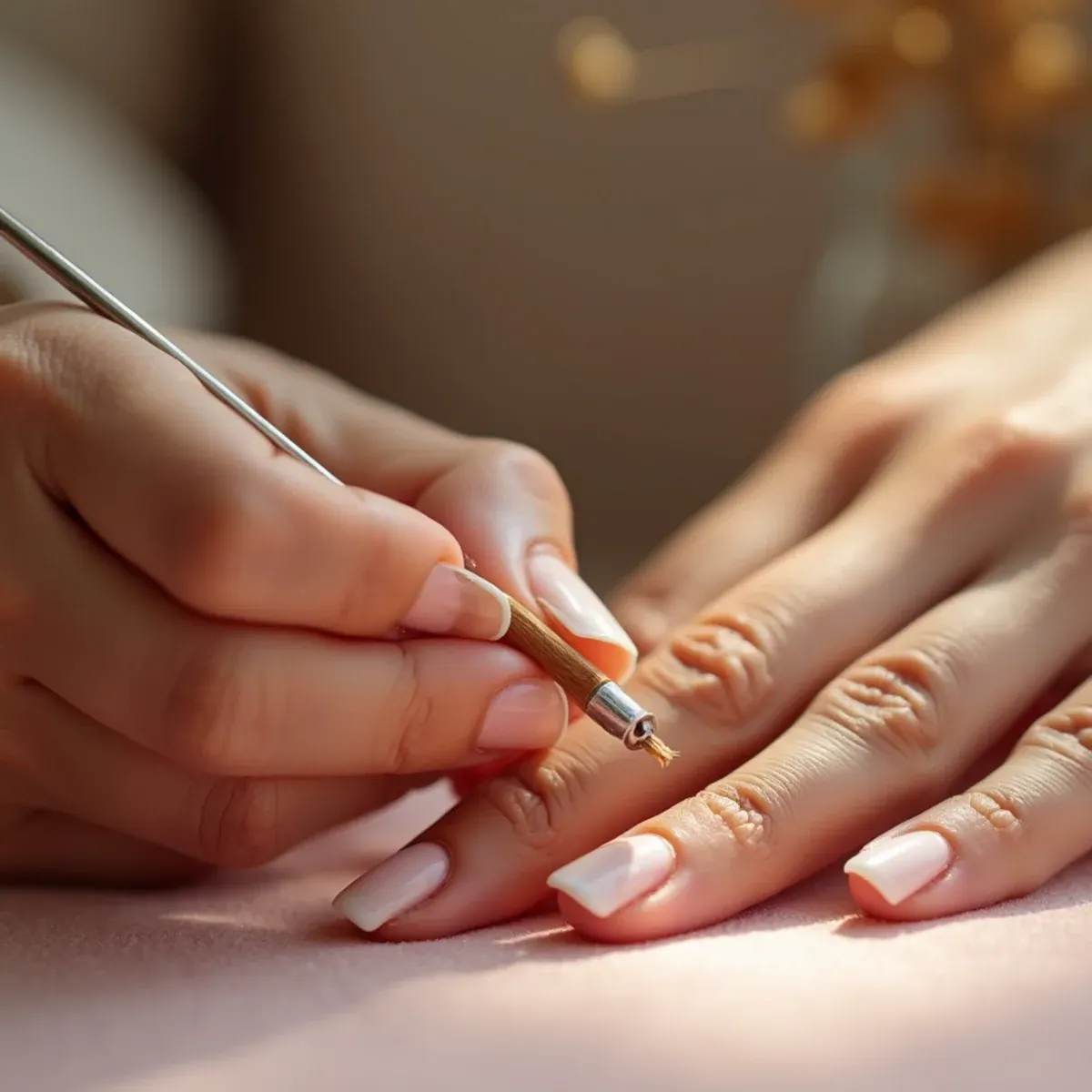
9. No cutting of live cuticle
Cuticle should be softened and pushed back. Only genuinely dead tissue and hangnails are nipped. Aggressive cutting of live cuticle breaks the seal that keeps bacteria out of the nail matrix, and it is the cause of most of the redness people blame on infection.
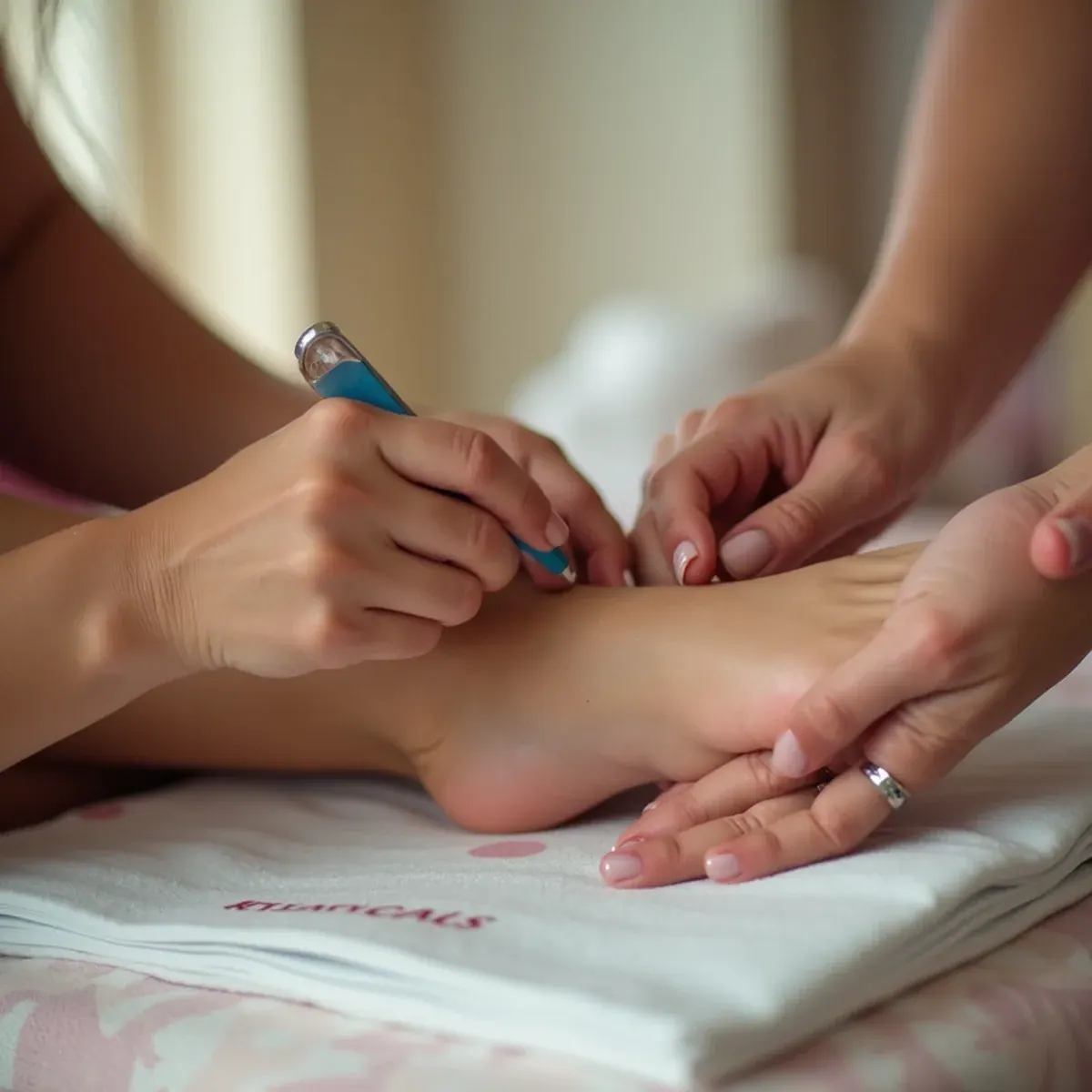
10. No razors or credo blades on feet
Blade callus removal is prohibited for salon use in many states and is unsafe regardless. Callus should be softened and filed down gradually. If a blade comes out, stop the service.
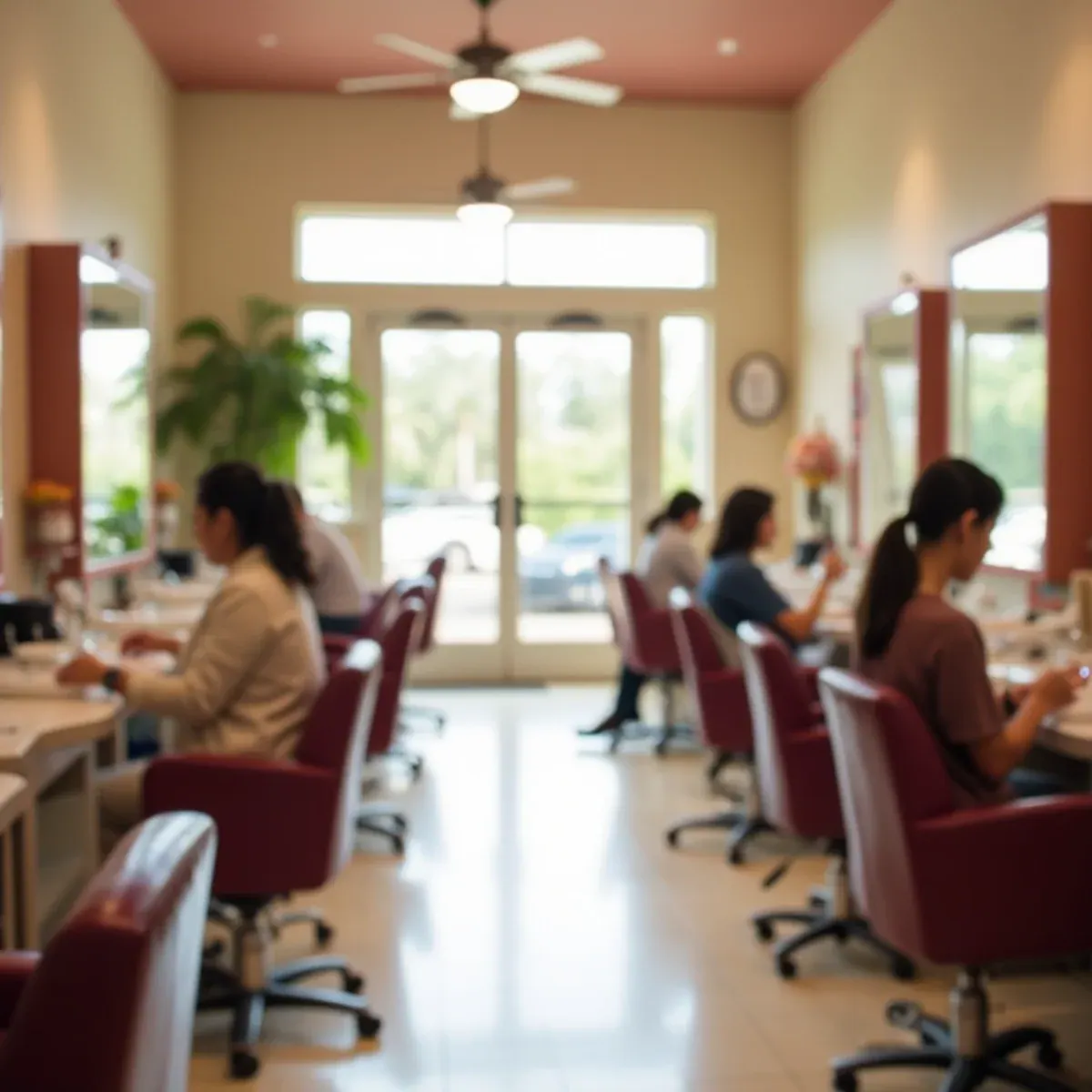
11. Ventilation you can notice
Acrylic monomer has a strong smell. A salon with adequate ventilation still smells of it near the stations but not overwhelmingly across the whole space. Streaming, watering eyes on entry is a ventilation problem.

12. They answer the question without hesitating
Ask how they clean the basins or whether files are single-use. A salon doing it properly answers immediately and specifically. Vagueness or irritation at the question tells you what you need to know.
What to do if something is wrong
Ask first. Most of the time there is a straightforward answer — the pouch was opened before you sat down, the tools came from an autoclave in the back. Salons doing it right are not defensive about it, and plenty are pleased to be asked because it is work they have paid for.
If the answer is unsatisfactory, leaving is reasonable and you do not need to justify it. And if you develop redness, swelling, warmth or pus around a nail after any service, see a doctor rather than returning to the salon. Nail technicians are not medical professionals and should not be treating an infection.
How we handle it at L.A Nails
Files, buffers and toe separators are single-use and go in the bin. Metal implements are cleaned and sterilised between uses. Pedicure basins are drained, scrubbed and disinfected between every client, not rinsed. Dip powder is poured into a clean tray for each client. Wax applicators are never double-dipped.
We would rather you checked than took our word for it. Run the checklist above on us — if you are sitting at a station at our South Bradenton salon and want to see a pouch opened or ask how the basin was cleaned, ask. It is a completely normal question and the answer should never be an awkward one.
Want this done properly in Bradenton?
L.A Nails is at 4525 14th St W in Cortez Plaza, South Bradenton. Walk in Monday through Saturday, 9:00 AM to 7:00 PM, or call (941) 752-7026 and we will book the right amount of time for what you want.
Questions
Hygiene questions worth asking anywhere
Can nail files be reused between clients?
No. Emery boards, buffers, pumice and toe separators are porous and cannot be effectively disinfected. They should be new for each client and disposed of afterwards. Only non-porous metal implements can be cleaned and sterilised for reuse.
What is the blue liquid nail tools sit in?
It is a disinfectant solution. It only works with full immersion for the manufacturer’s specified contact time, and it is not the same as sterilisation. Tools resting loosely in an open jar between clients have not been through a proper process.
Are pedicure basins with jets safe?
They can be, but they are harder to clean because water sits in internal plumbing between clients. Jet-free or pipe-free basins are easier to disinfect thoroughly. What matters most either way is that the basin is physically scrubbed between clients, not just rinsed.
Is it rude to ask a salon about their sanitation?
No, and a salon doing it properly will answer immediately and specifically. Vagueness or irritation in response to a straightforward question about single-use files or basin cleaning is itself informative.
Services covered by this checklist
Services in this guide
- Pedicures in Bradenton, FLSandal season here runs twelve months. Your feet deserve a service built for that, not a five-minute polish change.
- Manicures in Bradenton, FLCuticle work done properly, shaping that suits your hands, and a finish that survives a Florida week.
- Acrylic Nails in Bradenton, FLThe strongest enhancement available, sculpted to your nail bed and refilled on a schedule that protects what is underneath.
Getting to the salon
Related guides
- What to Expect at Your First ManicureThe whole appointment start to finish, including the parts nobody explains — how long it takes, what to say, and what to tip.
- How to Make a Pedicure Last Longer in Florida HumiditySandal season here runs twelve months. Seven habits that keep a pedicure looking good on the Gulf Coast, where most advice written for other climates falls apart.
Every guide we have written
- how salt water and chlorine affect your nails
- men's manicure what to expect
- nail care for snowbirds in Florida
- wedding nail timeline
- how to fix a broken nail
- how to make a pedicure last longer
- nail shapes guide
- gel manicure aftercare
- how often should you get a fill
- Gel-X vs hard gel nail extensions
- how long do dip powder nails last
- how much does a full set of nails cost
- what to expect at your first manicure
- gel vs acrylic nails