
Nail Design · 7 min read
Nail Shapes Explained: Almond, Coffin, Squoval and More
Seven shapes, what each one does for your hands, and which ones actually survive real use at real lengths.
Published · By the team at L.A Nails
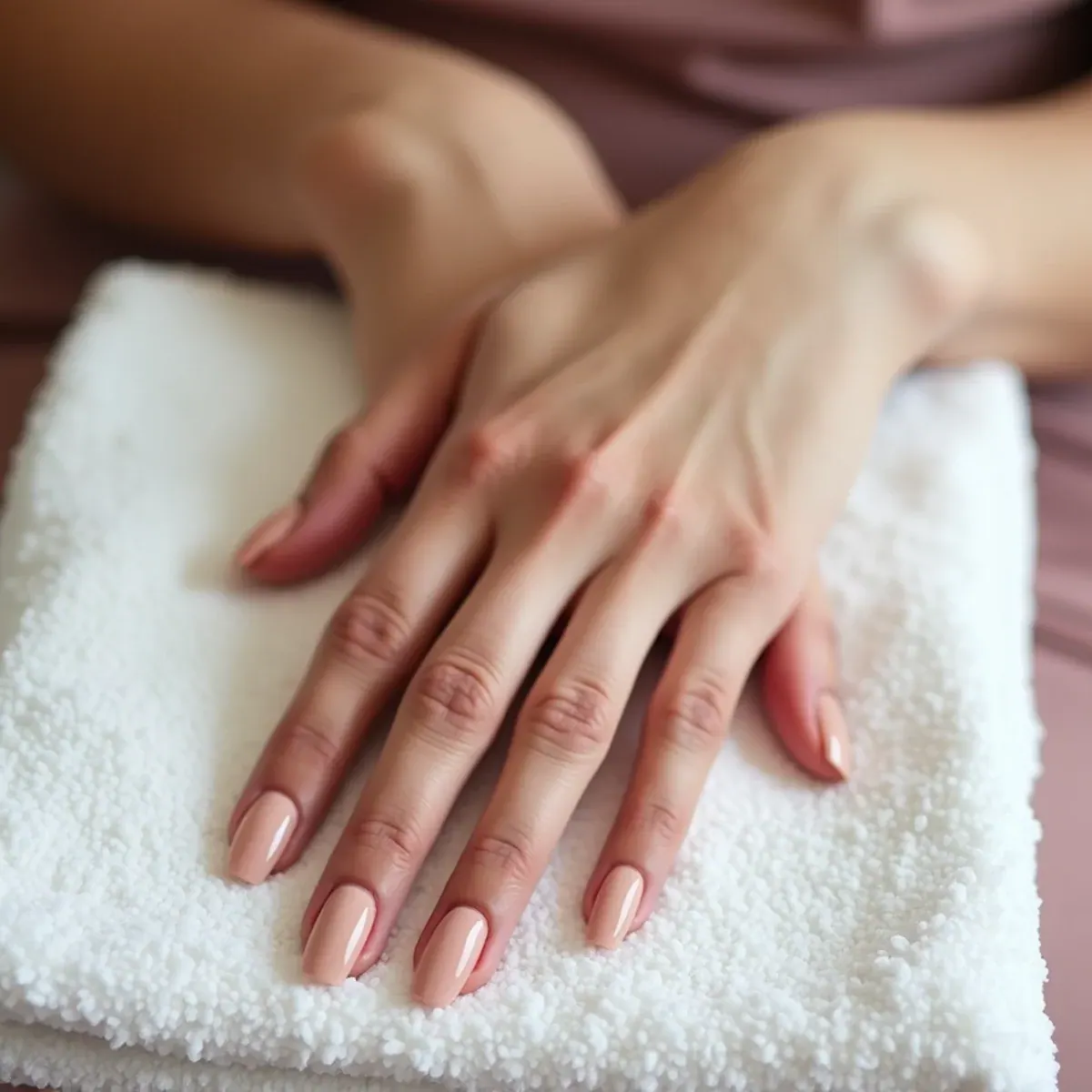
The seven common nail shapes are square, squoval, round, oval, almond, coffin (ballerina) and stiletto. Round and squoval are the most durable and suit short natural nails; almond and oval lengthen the fingers; coffin and stiletto need extensions and structural support to survive. Your nail bed width and how you use your hands should decide the shape more than trends do.
The seven shapes
Every nail shape is a compromise between how it looks and how much stress it puts on the free edge. The wider the tip relative to the base, the stronger it is. The narrower and more pointed, the more elegant and the more fragile. Everything below follows from that.
Square
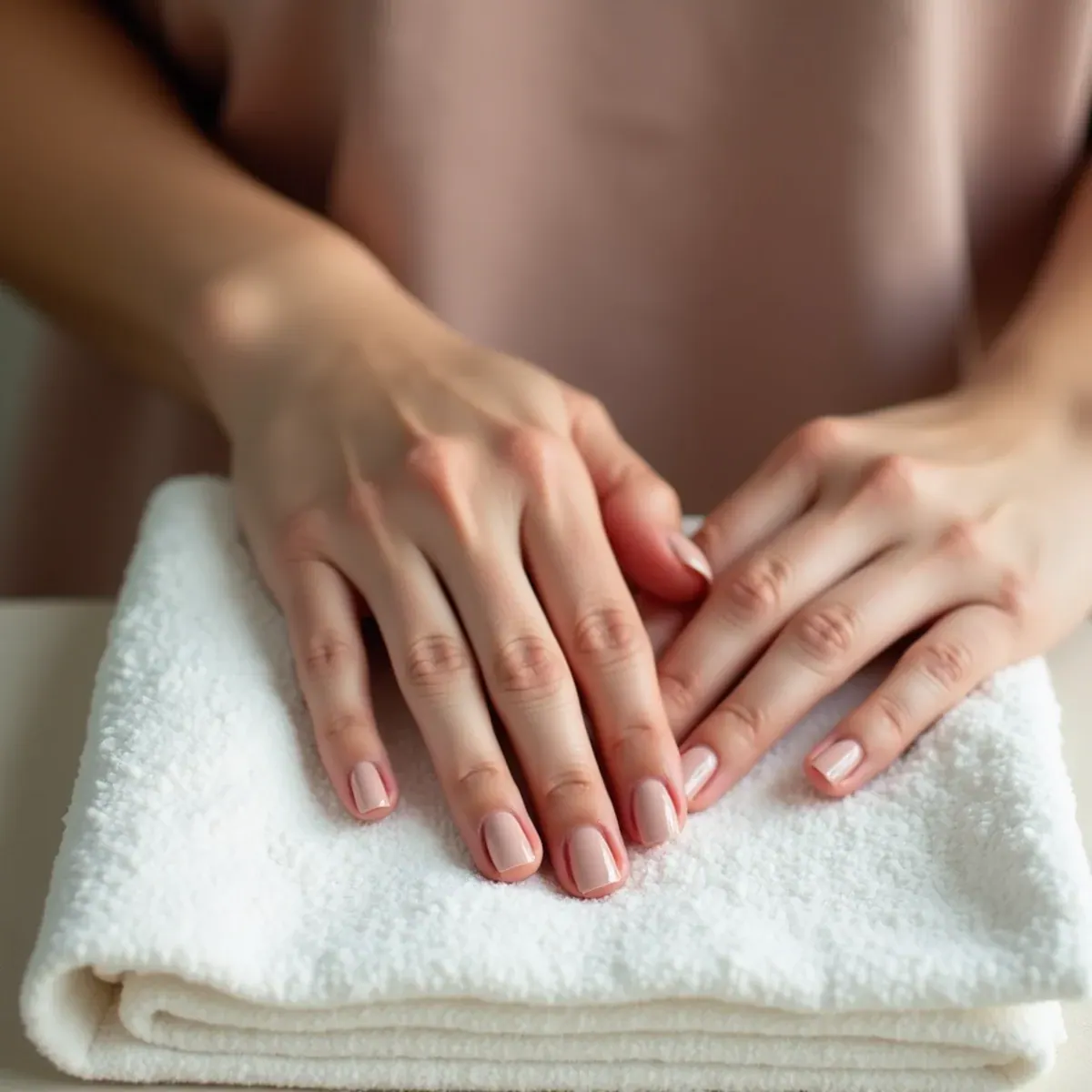
Straight across with sharp corners. Strong at the tip but the corners catch on fabric and are the most common snag point. Looks best at short to medium length and on longer nail beds.
Squoval
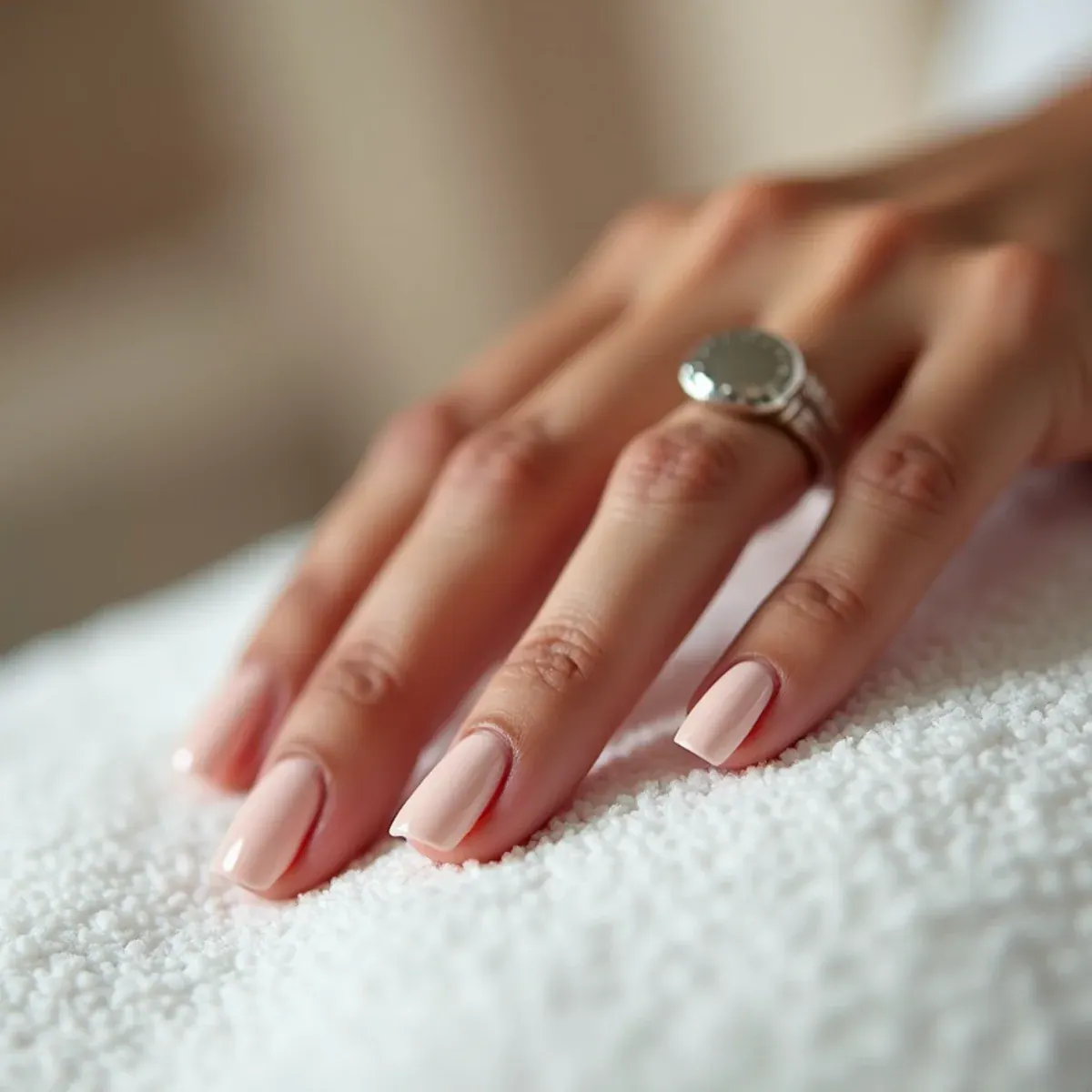
Square with the corners filed soft. The most practical shape available — it keeps the strength of square without the catching. This is what we recommend most often for natural nails and for anyone new to enhancements.
Round
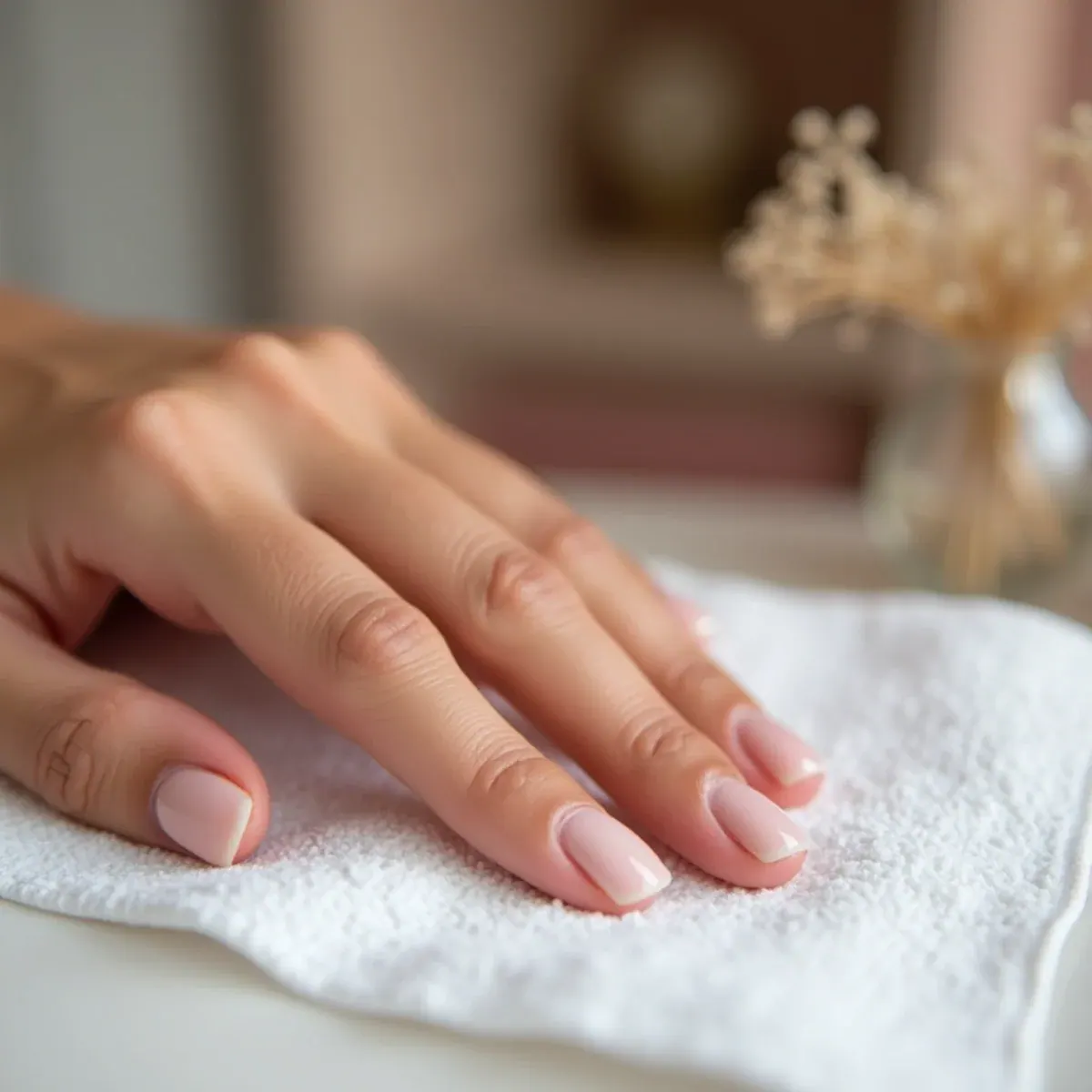
Following the natural curve of the fingertip. The strongest and lowest-maintenance shape, ideal for very short nails, for men, and for anyone who works with their hands. Nothing to catch and nothing to break.
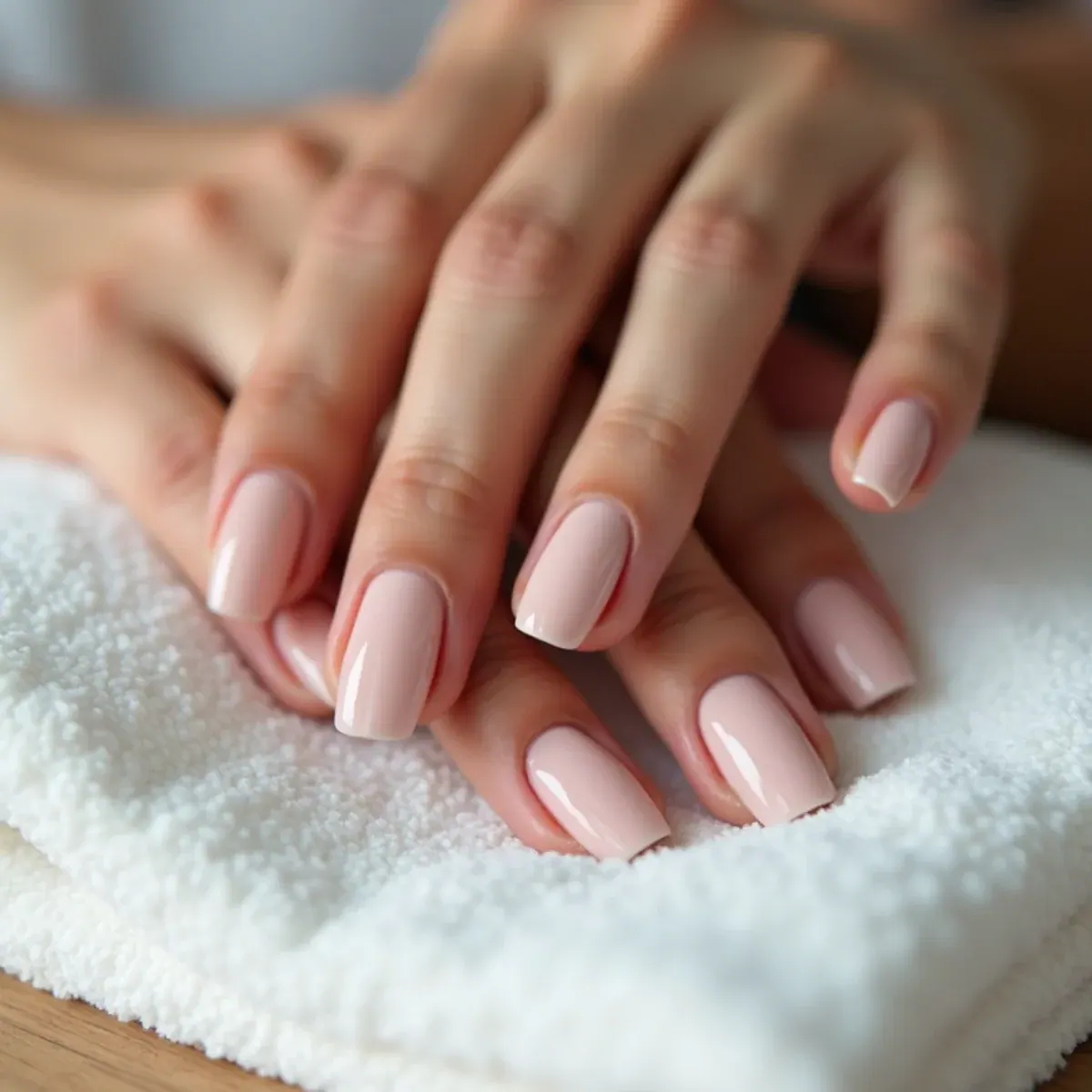
Oval
A longer, more tapered version of round. Softens wide nail beds and makes short fingers look longer. Good balance of appearance and durability at medium length.
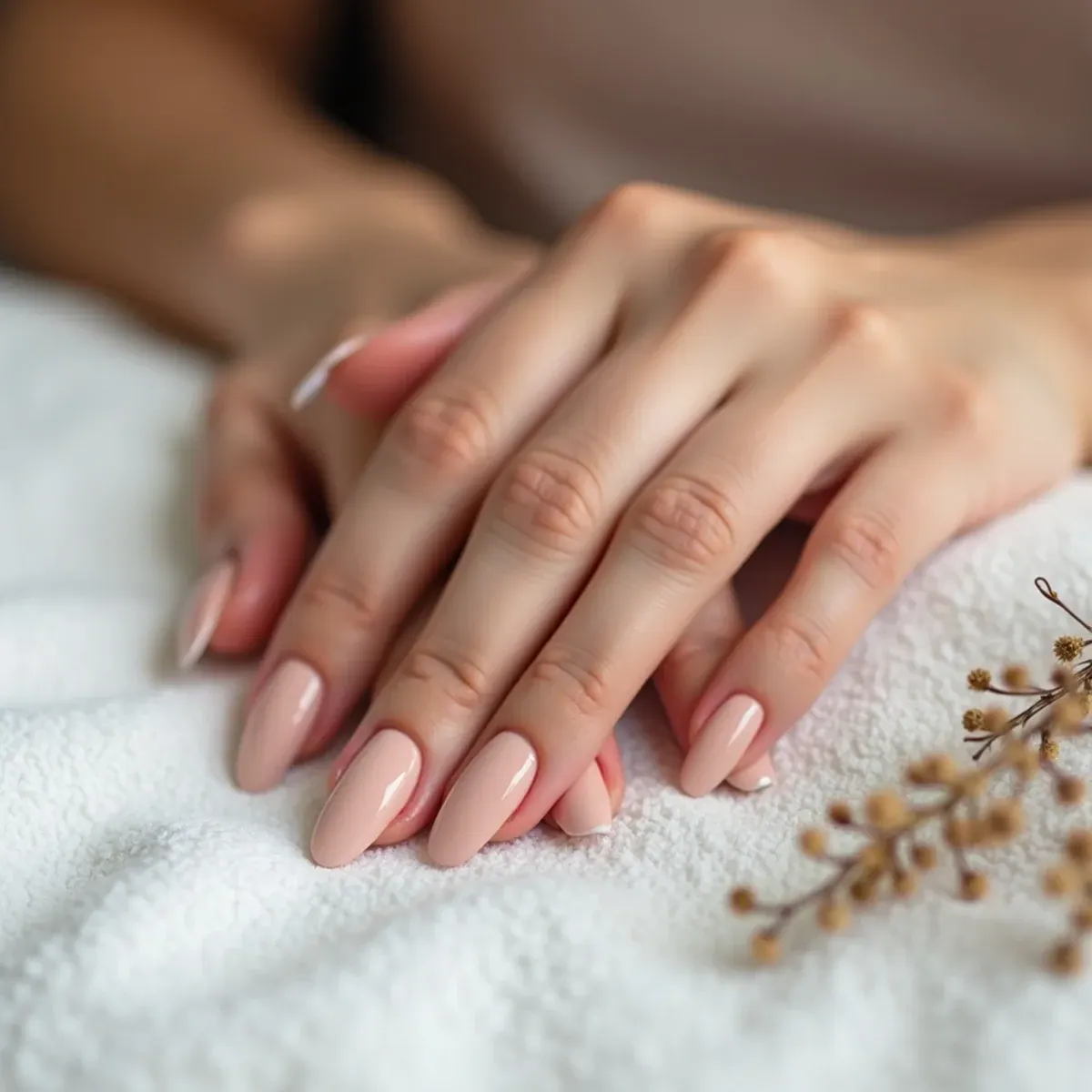
Almond
Tapered to a rounded point, like the nut. Very flattering and lengthening on most hands. Needs some length to read properly, and needs enhancement support past medium because the taper removes material at the sides.
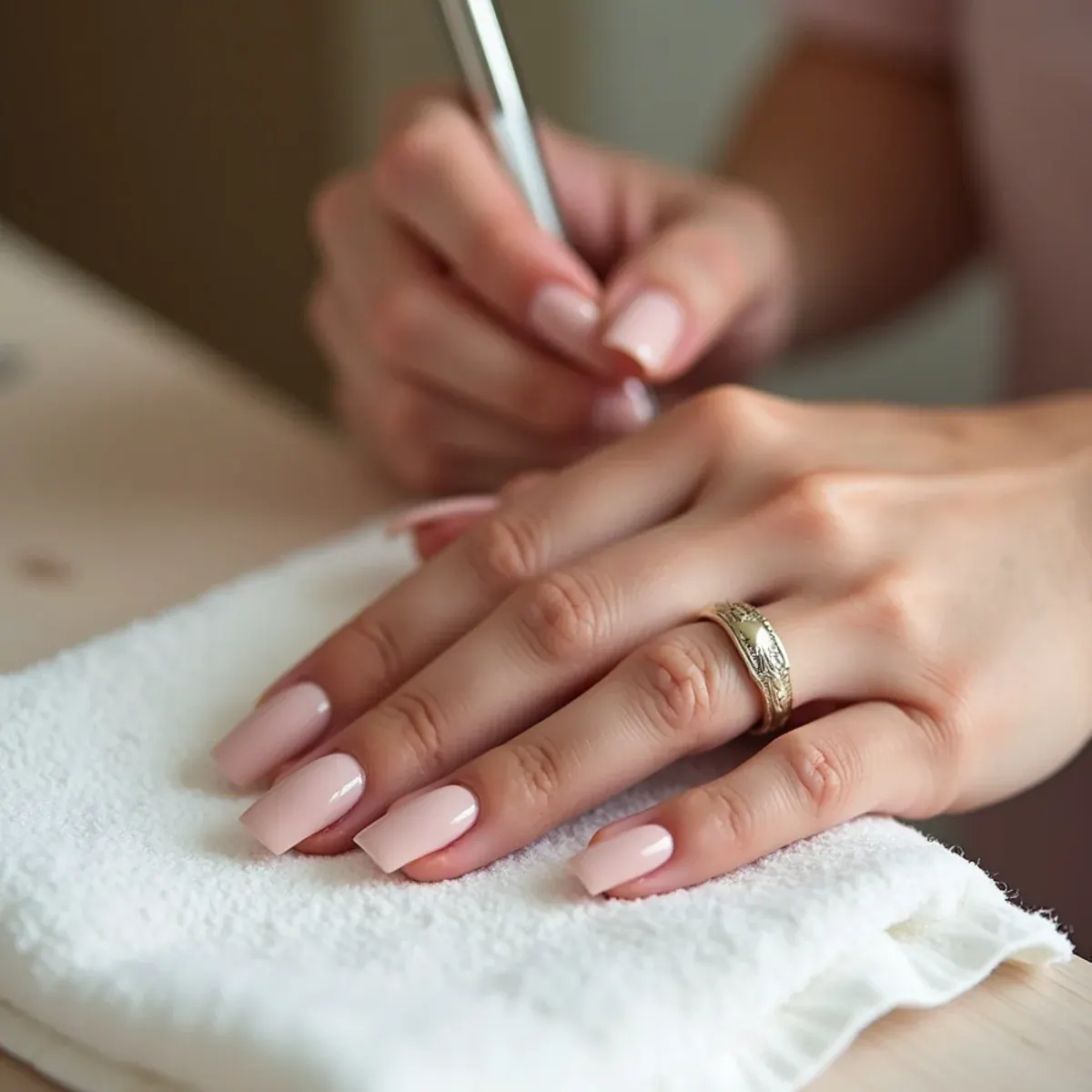
Coffin / ballerina
Tapered sides with a flat, squared-off tip. Requires extensions — it cannot be achieved on most natural nails. The taper creates a stress point at the sidewalls, so it needs a well-placed apex and proper structure.
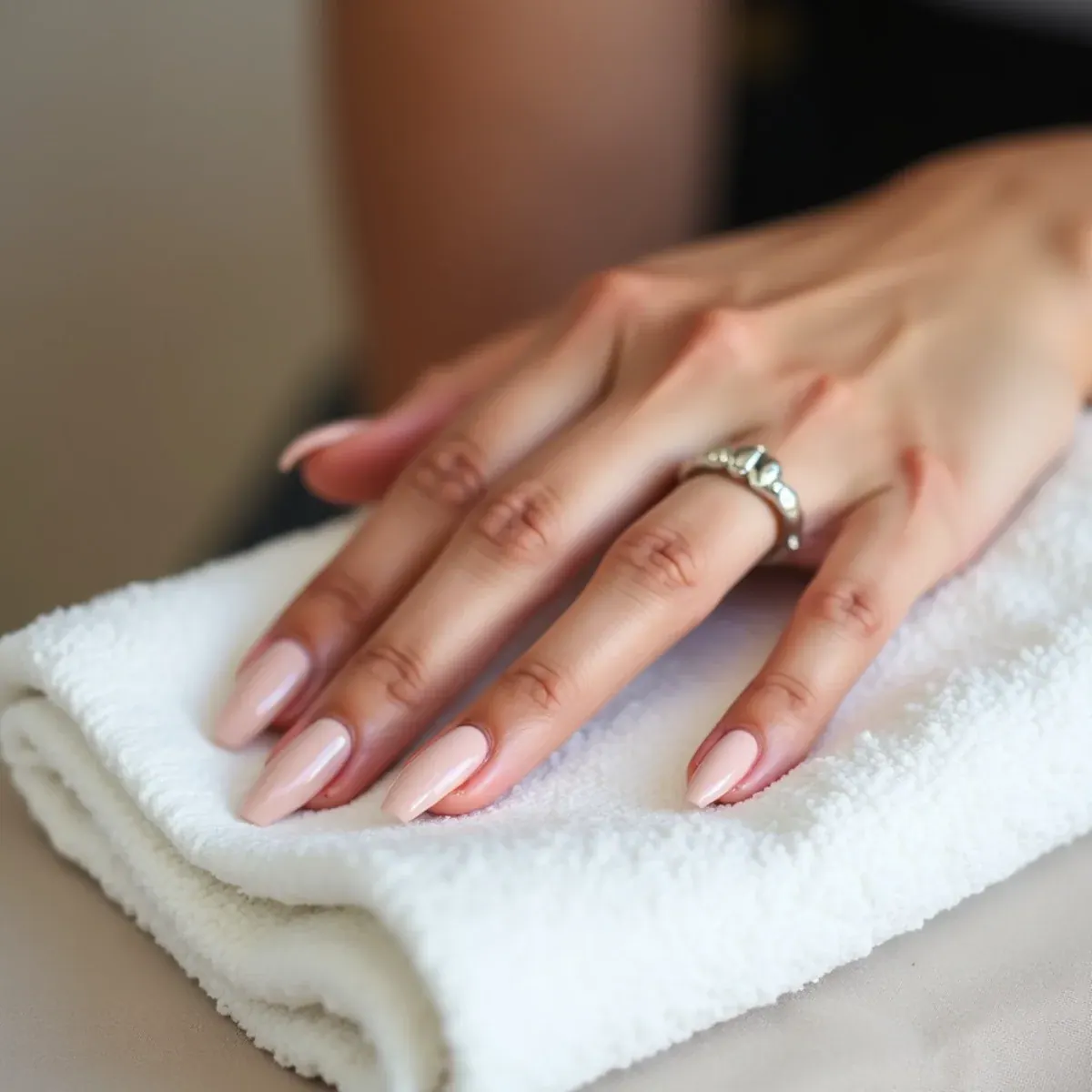
Stiletto
Tapered to a sharp point. The most dramatic and the most fragile. Only viable on extensions with real structural depth, and genuinely impractical for most jobs and most daily tasks. Beautiful, and a commitment.
Choosing by nail bed, not by trend
Look at the shape of your nail bed before you look at anything else. Wide nail beds are flattered by oval and almond, which visually narrow them. Narrow beds carry square and squoval well because the straight sides add apparent width. Short nail beds benefit from any shape that adds length past the fingertip — oval, almond — while long beds can carry square without looking severe.
Finger length matters too. Shorter fingers are lengthened by almond, oval and any shape with a taper. Longer fingers can carry square and coffin without the hand looking stretched. None of this is a rule you must follow, but it explains why a shape that looks stunning on someone else can look wrong on you.
Choosing by lifestyle
This is the part most guides skip and it is the part that determines whether you like your nails in week two. If you type all day, long coffin and stiletto shapes change how you work — you end up typing with the pads of your fingers and it takes real adjustment. If you handle cash, work in healthcare or food service, or spend time in gardening gloves, points and long square corners will fail or be prohibited.
The honest recommendation for most people booking their first set is squoval or almond at medium length. Both are flattering, both are durable, and both let you find out whether you enjoy having longer nails before committing to a shape that limits what you can do with your hands. Going longer at the next fill is easy; going shorter after paying for length is a waste.
Shape and breakage
Where a nail breaks tells you something. Breaks at the sidewall usually mean the shape was tapered too aggressively for the length. Breaks straight across the tip usually mean the apex was in the wrong place or the product was too thin at the stress point. Breaks at the very corner of a square nail are almost always a snag rather than a structural failure.
If you keep breaking the same nail in the same place, that is diagnostic information rather than bad luck. Bring it up at your next appointment — the fix is usually a small change to the shape or the apex placement, not a different product.
Want this done properly in Bradenton?
L.A Nails is at 4525 14th St W in Cortez Plaza, South Bradenton. Walk in Monday through Saturday, 9:00 AM to 7:00 PM, or call (941) 752-7026 and we will book the right amount of time for what you want.
Questions
Choosing a shape — common questions
What is the strongest nail shape?
Round is the strongest because it follows the natural curve of the fingertip with no corners to catch and no taper to weaken the sidewalls. Squoval is a close second and looks more polished, which is why it is the most practical everyday shape.
What nail shape makes fingers look longer?
Almond and oval. Both taper toward the tip, which draws the eye lengthwise along the finger. Adding a little length past the fingertip amplifies the effect. Wide, square shapes do the opposite and can make short fingers look shorter.
Can I get coffin nails on my natural nails?
Usually not. Coffin requires tapered sidewalls and a flat tip, which needs length and structural material most natural nails cannot provide. It is an extension shape — achievable in acrylic, hard gel or soft gel tips with proper apex support.
What is the difference between squoval and square?
Squoval is square with the corners filed soft. That single change removes the sharp corners that catch on fabric and hair, which are the most common failure point on square nails, while keeping the straight sides and strong tip.
Services where shape matters most
Services in this guide
- Nail Extensions in Bradenton, FLLength that looks like it grew there — lighter than acrylic, and soaked off without a drill fight.
- Acrylic Nails in Bradenton, FLThe strongest enhancement available, sculpted to your nail bed and refilled on a schedule that protects what is underneath.
- Nail Art & Designs in Bradenton, FLBring a photo. Our technicians will tell you honestly what will hold up on your nail length — and what will not.
Getting to the salon
Related guides
- Gel-X vs. Hard Gel Extensions: An Honest ComparisonSoft gel tips are faster and come off easily. Hard gel is stronger and sculpts to any shape. The right choice depends on length, lifestyle and how long you plan to wear them.
- How to Fix a Broken Nail Before Your AppointmentWhat to do in the first ten minutes, what never to do, and when a broken nail is genuinely a same-day salon visit.
Every guide we have written
- how salt water and chlorine affect your nails
- men's manicure what to expect
- nail care for snowbirds in Florida
- wedding nail timeline
- how to fix a broken nail
- how to make a pedicure last longer
- gel manicure aftercare
- how often should you get a fill
- Gel-X vs hard gel nail extensions
- how to tell if a nail salon is clean
- how long do dip powder nails last
- how much does a full set of nails cost
- what to expect at your first manicure
- gel vs acrylic nails